Skip to content
Independent2024-PresentLive

One Asset In, Twenty Scenes Out

It was built on magazine covers, and nothing in it is specific to magazines. One flat asset goes in — a cover, a candle, a bottle — and a catalogue of staged scenes comes back. No designer places any of them by hand.

Runway MLWorkflow AutomationAI Mockups

Input1 file

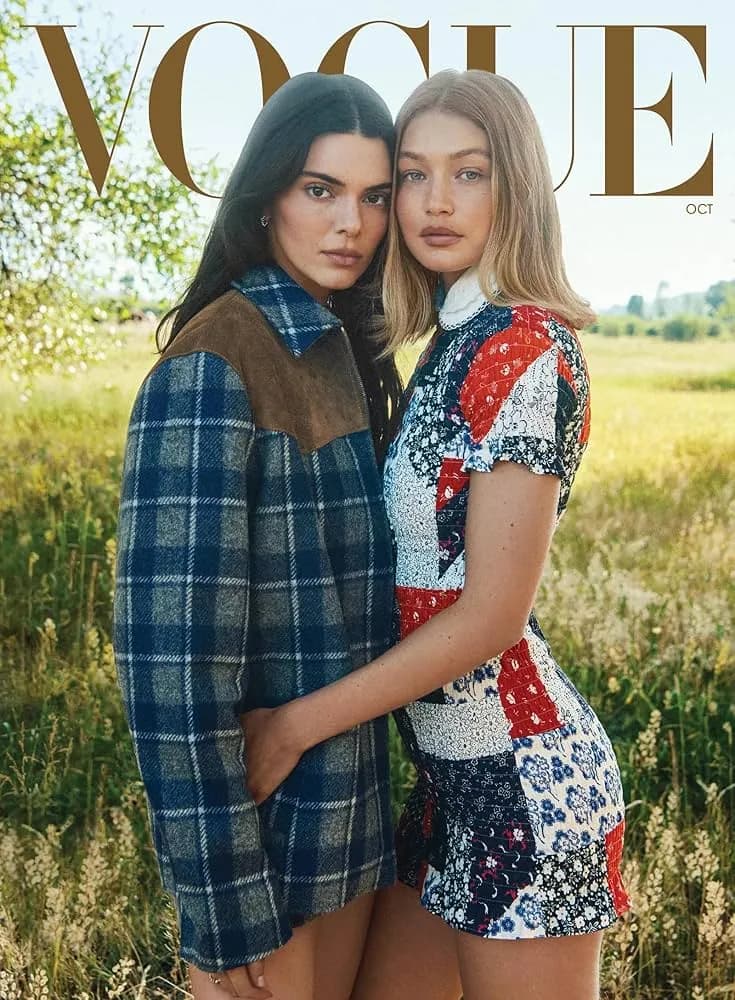
The single input used to generate every mockup below: a real Vogue October cover, two models in a summer field under the VOGUE masthead.
A real Vogue cover, used as the source. The cover is somebody else's work; everything generated from it is the workflow's.

Before

Staging a cover into a lifestyle scene is a composite: mask it, place it, light it, match the grain. A launch needs a set of them in two aspect ratios, and another set the next time the cover changes.

Outcome

A half-day task now takes minutes.

staged scenes from one flat asset
10–20
in production since the month Runway shipped Workflows
2024
01

What Came Out

The same cover in every one of them, and none of them composited by hand. The empty half of each frame is where the headline goes.

Output7 shown
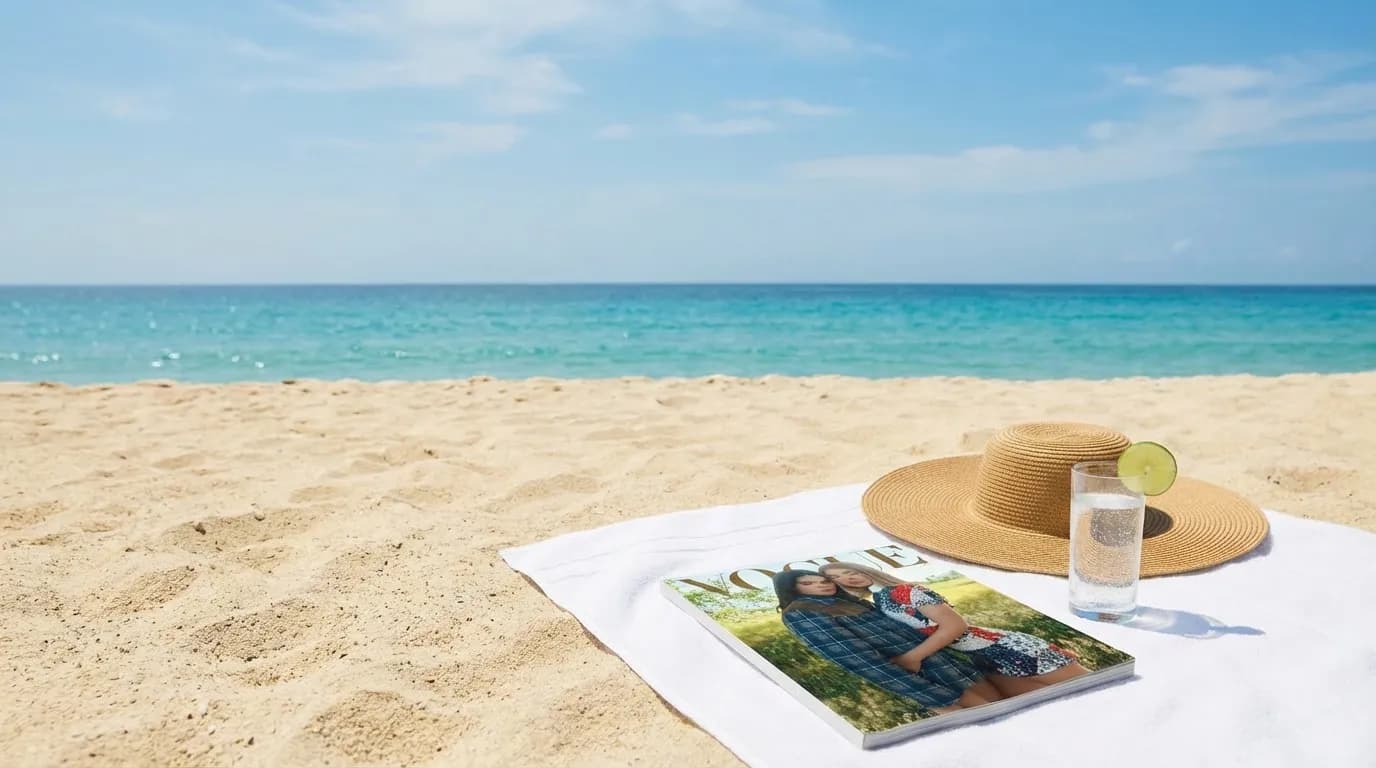
Generated lifestyle mockup: the magazine cover on a white towel in the sand next to a straw hat and a glass of water, ocean in the background.
Generated scene: beach.
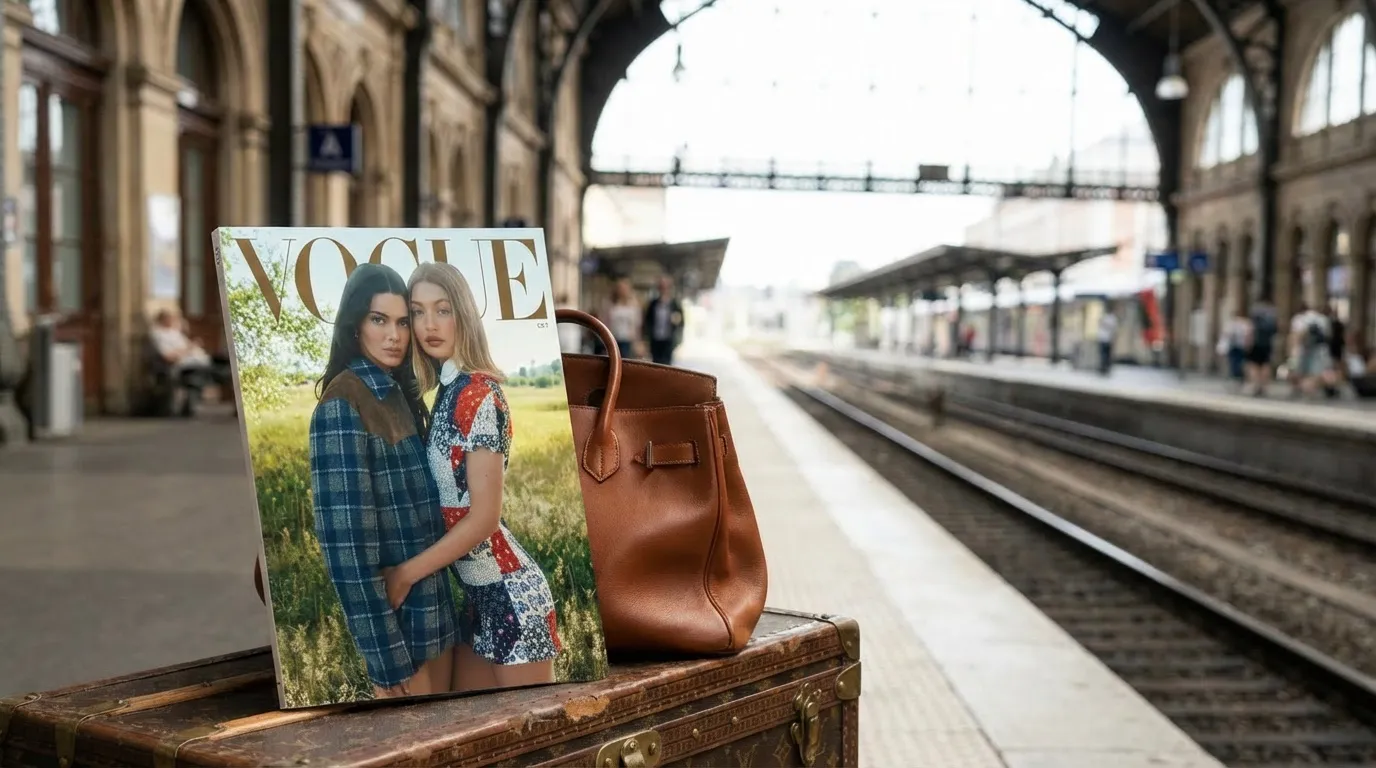
Generated lifestyle mockup: the magazine propped on a weathered leather trunk beside a tan leather bag on a historic train platform, tracks and iron canopy receding behind.
Generated scene: train platform.
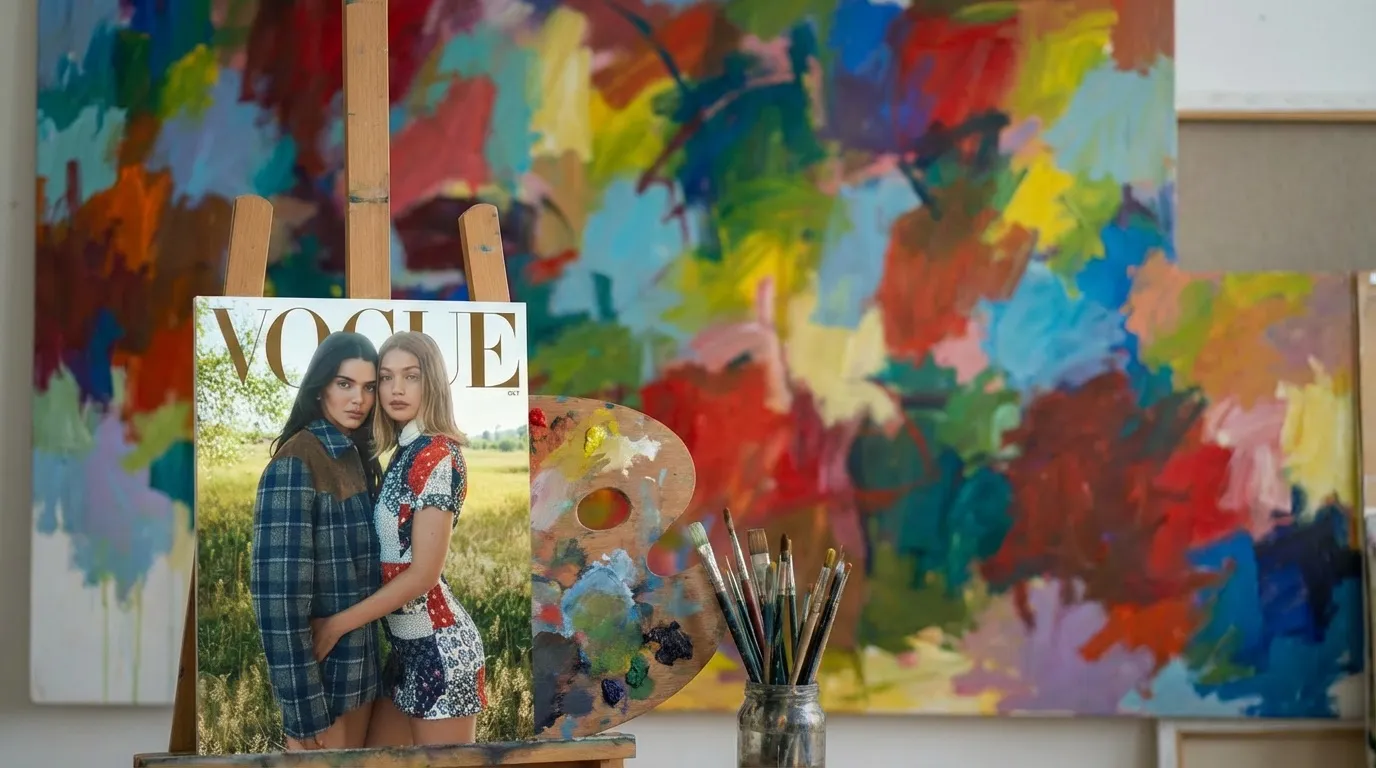
Generated lifestyle mockup: the magazine standing on a wooden easel beside a paint-smeared palette and a jar of brushes, with a large abstract canvas filling the wall behind.
Generated scene: painter's studio.
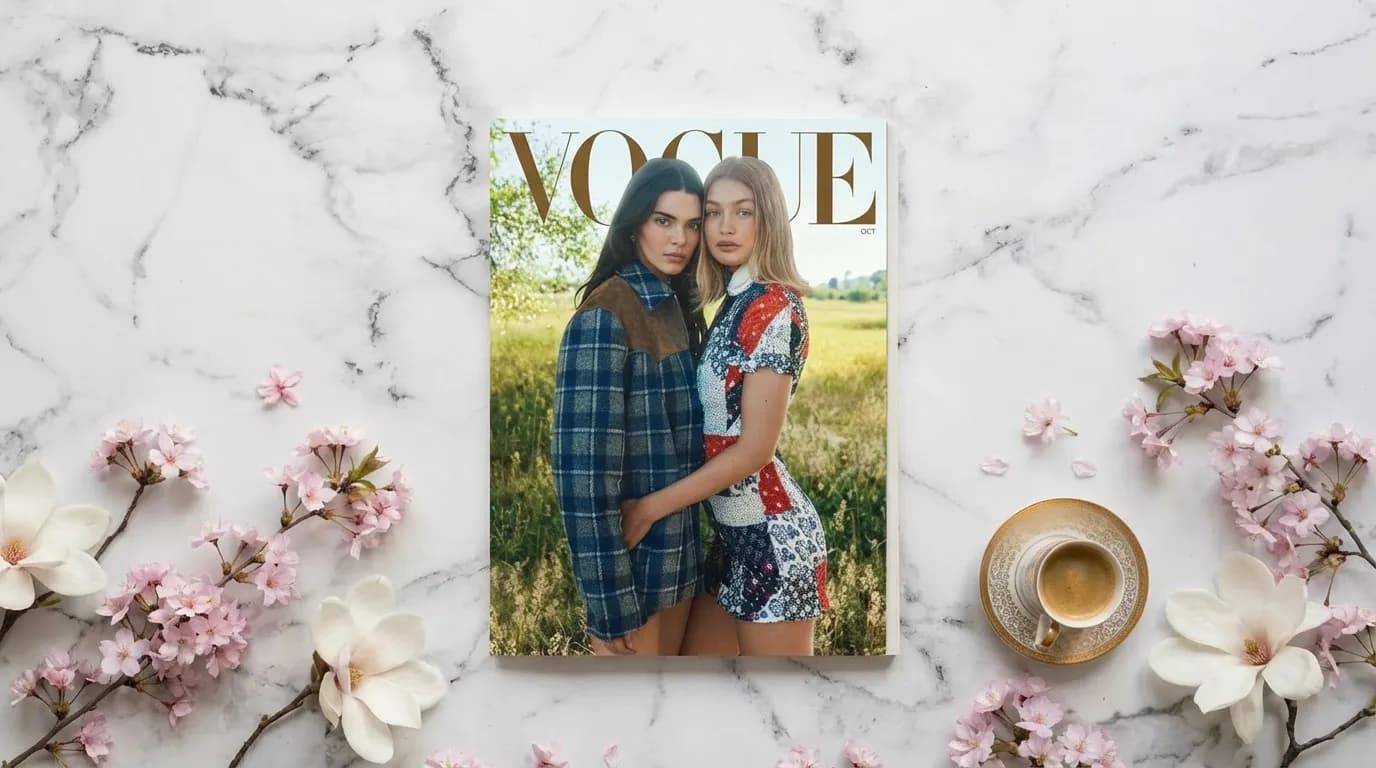
Generated lifestyle mockup: the magazine laid flat on white marble, framed by cherry blossom branches and white magnolias with a gold-rimmed espresso cup to the right.
Generated scene: marble counter with flowers.
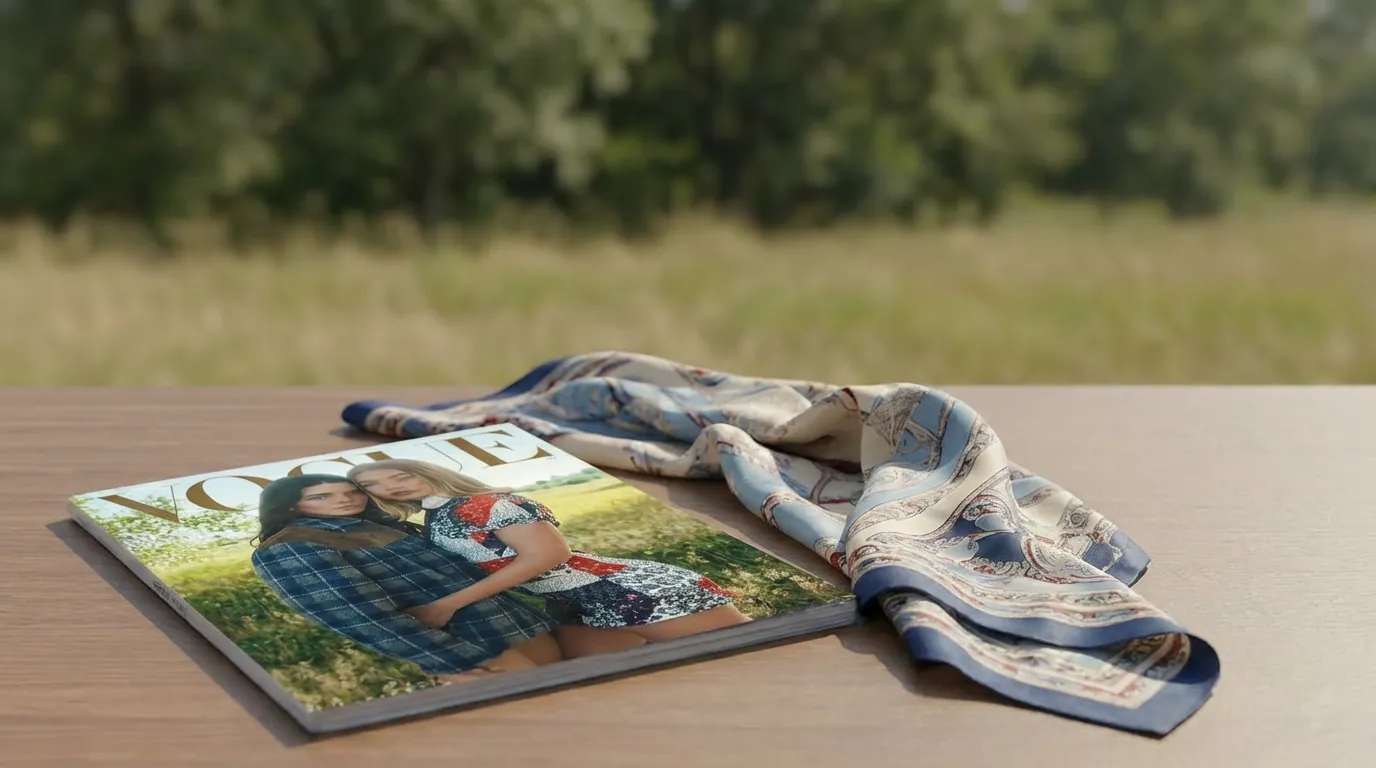
Generated lifestyle mockup: the magazine lying on a wooden outdoor table with a blue and cream paisley silk scarf pooled beside it, a sunlit meadow and treeline blurred behind.
Generated scene: garden table with silk scarf.
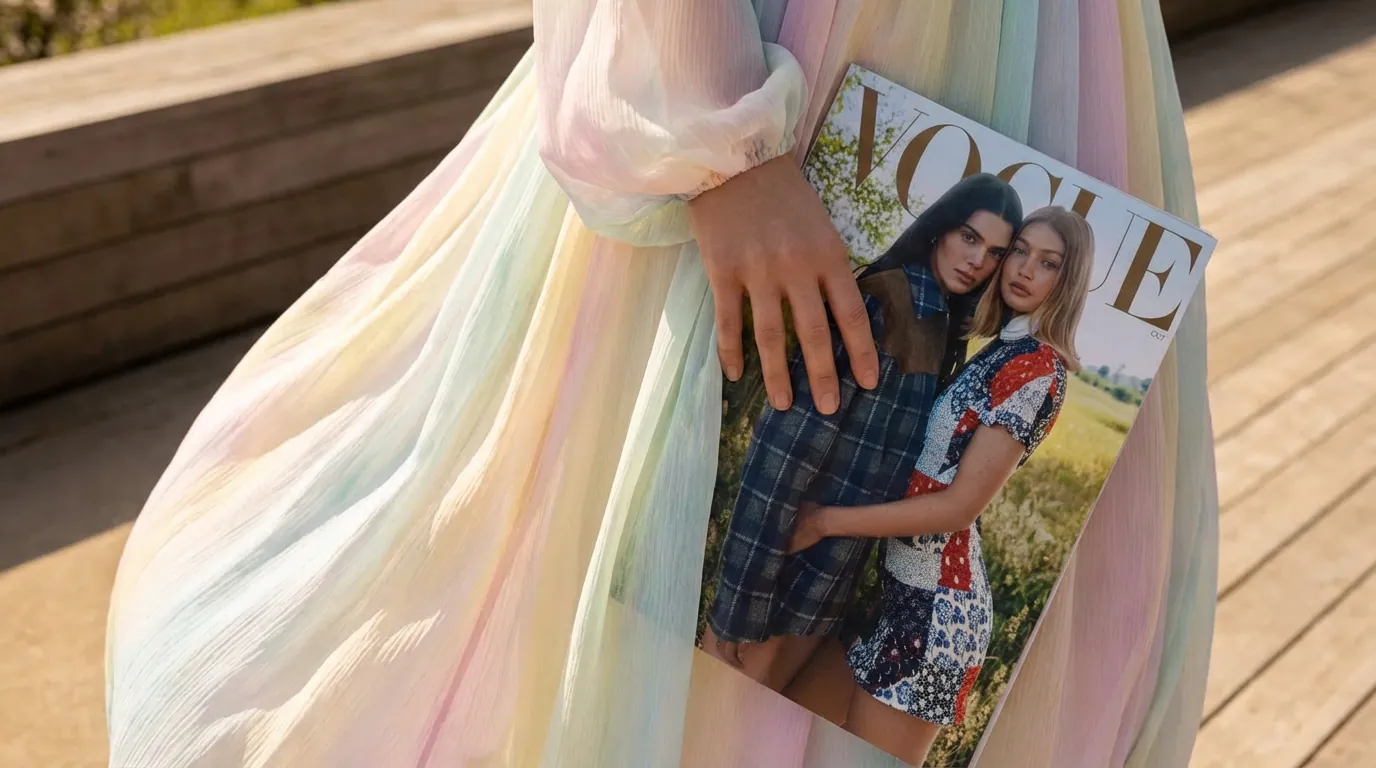
Generated lifestyle mockup: a cropped detail of a hand holding the magazine against the hip of a pastel rainbow chiffon dress, a sunlit wooden boardwalk behind.
Generated scene: held, against chiffon.
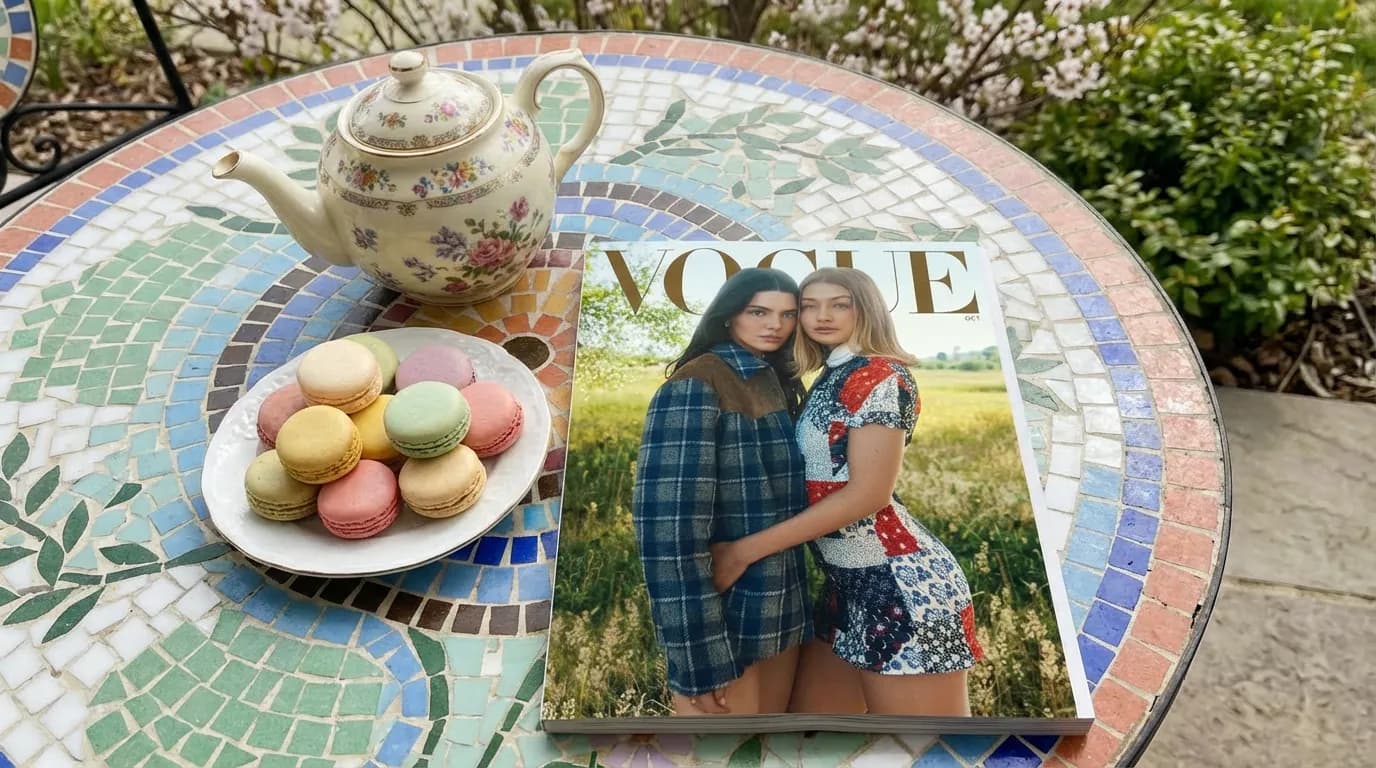
Generated lifestyle mockup: the magazine on a mosaic-tiled garden table beside a floral porcelain teapot and a plate of pastel macarons, blossom branches behind.
Generated scene: garden tea table.
02

One Asset, Four Stages

  1. 01 Input

    • Magazine coverJPEG only. The one asset.(Source)
  2. 02 Prompt generation

    • Scene JSONSize · angle · placement · framing · negative space(Process)
  3. 03 Image generation

    • RunwayOne staged scene per prompt(Model)
  4. 04 Output

    • Staged scenesOne render per scene prompt(Output)
    • 9:16 + 16:9Both formats, every scene(Output)
    • Copy spaceHeld for the headline and the CTA(Output)

The leverage is the schema, not the model: the JSON decides how a scene is staged before anything is generated. Every scene shares it, which is why twenty of them read as one campaign instead of twenty lucky renders.

03

Inside the Canvas

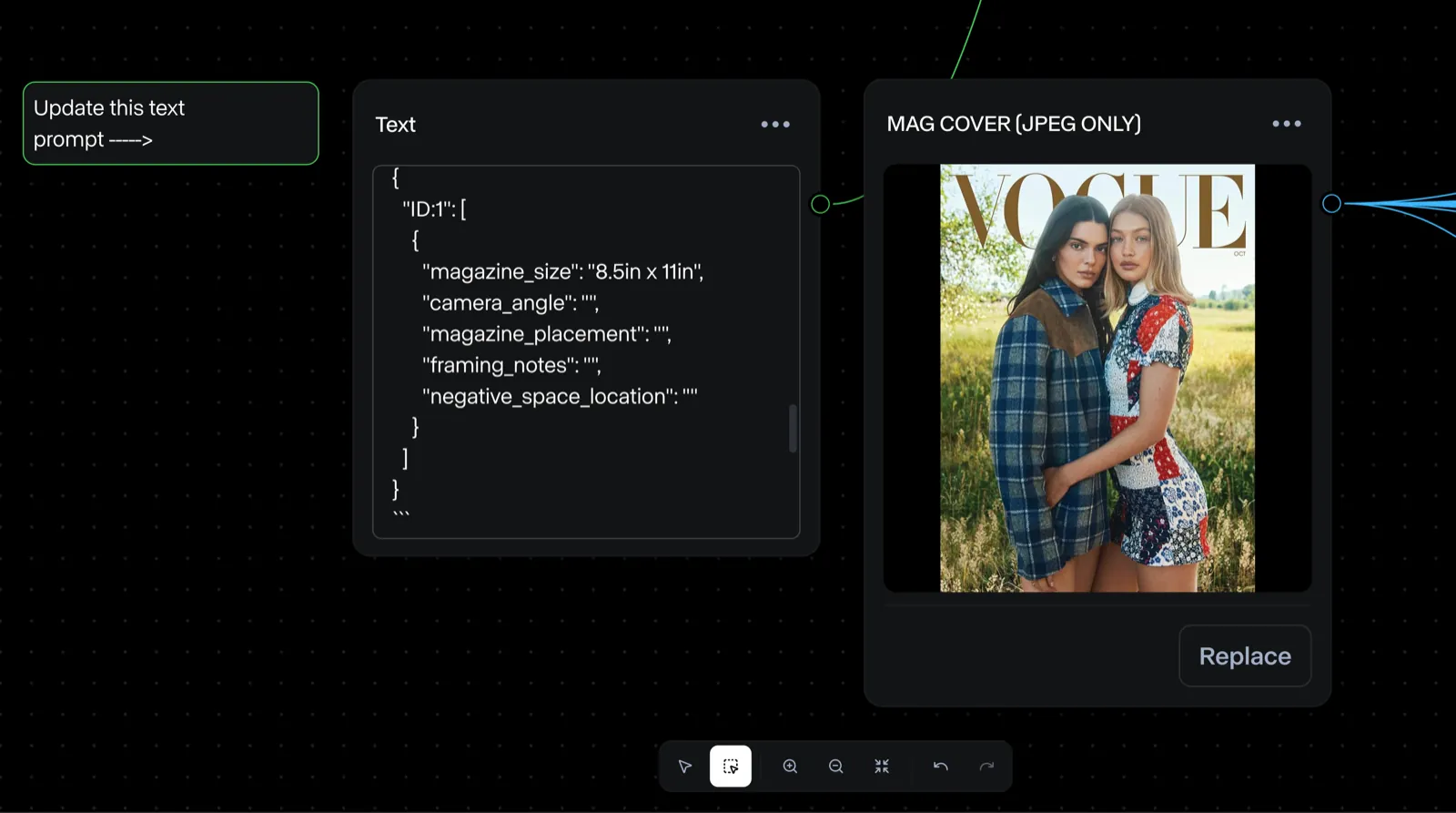
Close-up of the workflow canvas: a text node holding the JSON prompt schema with fields for magazine_size, camera_angle, magazine_placement, framing_notes and negative_space_location, wired across to an image node labeled MAG COVER (JPEG ONLY) that holds the input cover.
The prompt schema, wired to the one image the workflow is allowed to use.

Art direction as a text file

One JSON node fixes the camera angle, where the magazine sits in frame, and how tight the crop is — before Runway sees the cover at all. That node is the control surface: change a field in it and every scene above changes with it, in one pass, without anyone touching an image. I built it the month Runway shipped Workflows, and it has run since.
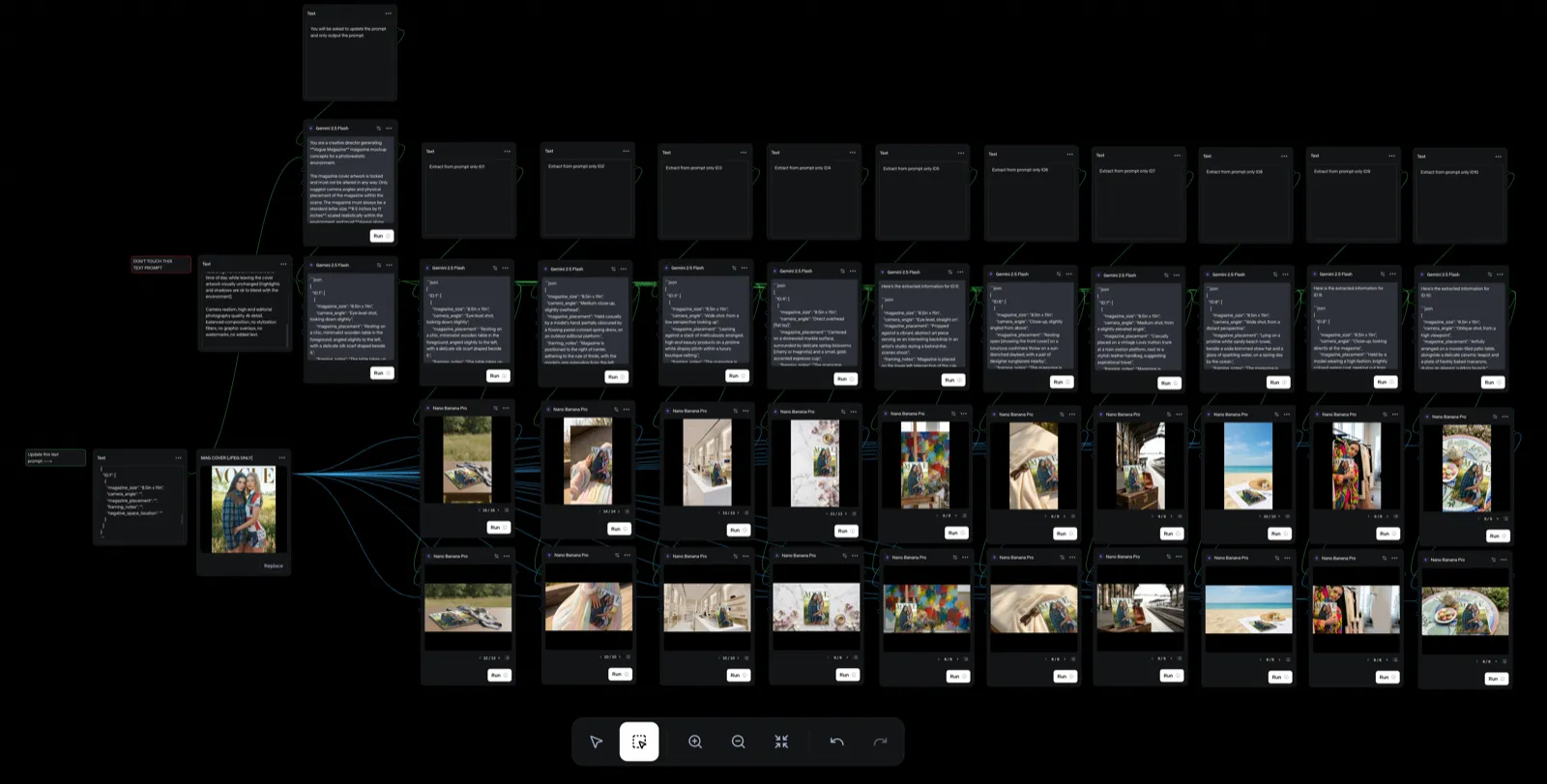
Screenshot of the AI workflow canvas: a magazine cover source node fanning out through prompt-generation and image-generation nodes into parallel mockup outputs.
The canvas. Each branch off the source node is one scene.

Ledger

Input
One flat asset. JPEG only.
Output
9:16 and 16:9, every scene.
Where it runs
Inside Runway, as a workflow. There is nothing to click; what it hands over is the wall of scenes above.
Role
Solo. Independent build.
Stack
Runway ML · AI Image Generation · Workflow Automation

Start a project

What do you need built?

Tell me what the thing has to do and who has to use it after I leave. We'll get on a call, and I'll tell you what it takes.

Start a project